
 By
By 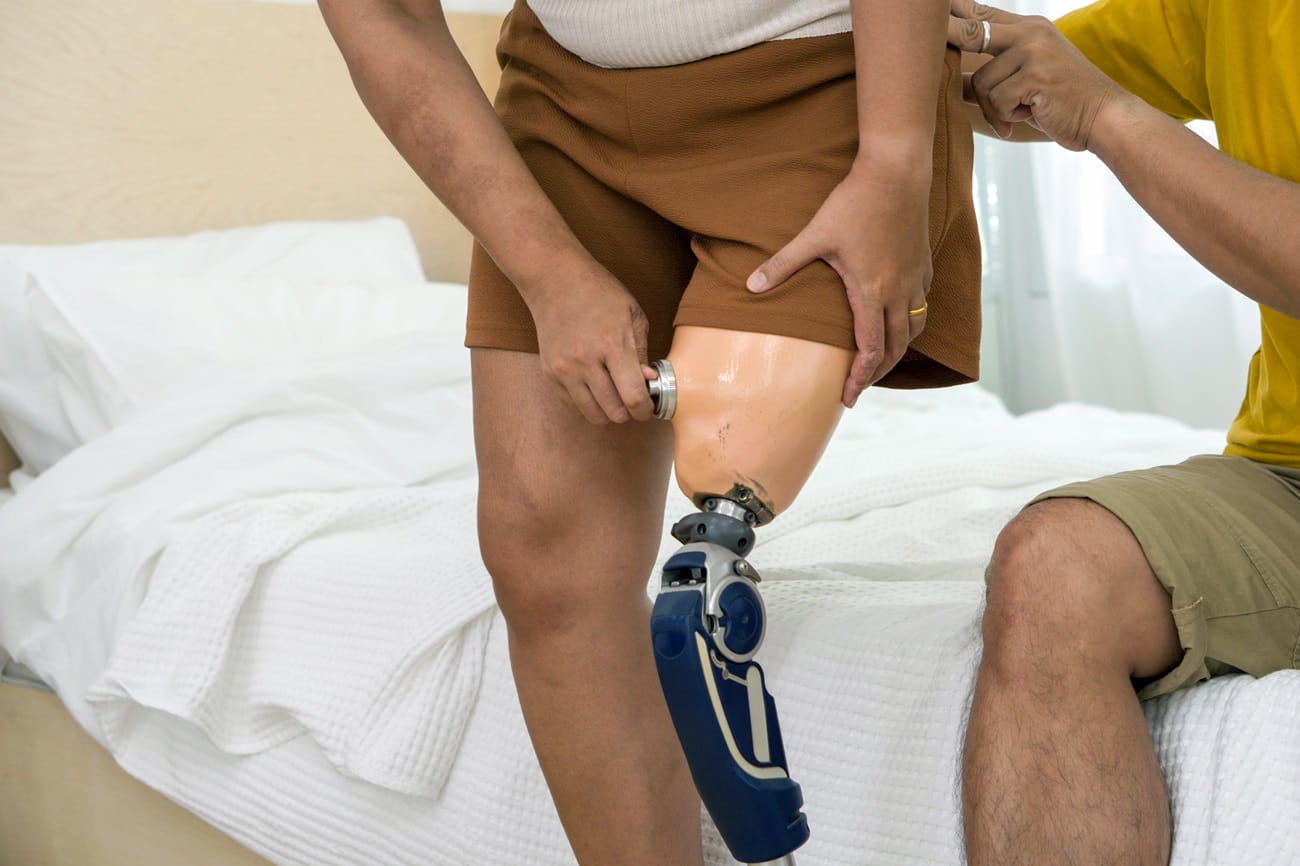
Comfort inside a prosthetic socket is never an accident; it’s the result of informed choices, daily habits, and materials that work with your skin, not against it. This guide explains how prosthetic socks protect the residual limb, manage perspiration, and help maintain a stable, comfortable fit throughout the day. You’ll learn how fabric types, sock ply, and care routines influence skin integrity and overall alignment. If you’ve ever been overwhelmed by quick fixes that read like “Tap here,” consider this a practical roadmap instead of a shortcut. The insights in this Prosthetic Socks Guide will help you select socks that improve comfort and confidence, while also extending the life of your prosthesis.
Why Prosthetic Socks Are Vital for Residual Limb Protection
Prosthetic sockets are designed to bear weight and control movement, yet the residual limb experiences shear, heat, and pressure that can irritate skin. The right socks form a protective interface, distributing load more evenly and reducing friction where the socket grips the limb. They also help manage moisture, a key factor in preventing maceration, blisters, and folliculitis. When chosen and layered correctly, socks support a stable connection with the socket, which improves gait mechanics and reduces energy expenditure. This Prosthetic Socks Guide emphasizes that thoughtful sock use is one of the simplest ways to protect skin and maintain reliable comfort day after day.
Key protective functions that matter most
A well-chosen sock serves as a microclimate manager, absorbing perspiration and moving it away from skin to speed evaporation. It also acts as a shear buffer, reducing rubbing that can inflame hair follicles or abrade fragile tissue. Because residual limbs can change in volume due to fluid shifts, socks also function as an adjustable spacer, fine-tuning socket fit as needed. By limiting high-pressure “hot spots,” the right layers can reduce the chance of callusing, skin breakdown, and pain. Ultimately, consistent protection helps you wear your prosthesis longer, walk more evenly, and stay in control of comfort across work, errands, and exercise.
Comparing Fabric Options: Cotton, Wool, and Antimicrobial Blends
Fabric selection shapes how your skin feels by midday, especially in humid or sweaty conditions. Cotton is soft and familiar, yet it retains moisture, which can lead to friction and sogginess inside the socket. Wool—especially merino—has superior moisture management, remains insulating when damp, and naturally resists odor, making it a strong all-season performer. Antimicrobial blends (such as synthetics infused with silver or copper) target odor-causing bacteria and often dry quickly, which helps maintain a stable microclimate. Choosing the right fabric for your climate, activity level, and skin sensitivity can dramatically reduce irritation and improve all-day wear.
What to expect from each material in daily life
Cotton can work for light activity or cooler weather, particularly when you perspire less, but it may feel heavy after hours of wear. Merino wool tends to regulate temperature well, keeping skin more comfortable in both heat and cold while curbing odor buildup. Antimicrobial blends often shine during high-intensity activity or summer months, wicking moisture efficiently and drying fast to minimize soggy hotspots. Some wearers find success mixing materials across their rotation—wool for long days, blends for workouts, and cotton for resting periods or brief errands. The best choice is the one that keeps your skin calm and your fit consistent from morning to night.
How Sock Ply and Thickness Affect Socket Fit and Alignment
Sock thickness—often described as “ply”—is a primary lever for adjusting socket fit through the day. A 1-ply sock adds a subtle change, while 3-ply or 5-ply provide more noticeable spacing to compensate for volume loss or a slightly loose fit. Too many layers can alter limb alignment in the socket, shifting pressure to sensitive areas or compromising control. Conversely, too few can allow pistoning and increased shear, raising the risk of skin irritation or bruising. A balanced approach, grounded in your own patterns of swelling and activity, helps you keep alignment stable and comfort predictable.
Practical layering strategies for real-world routines
Start each morning with the thinnest sock that yields a snug, even fit, then add a 1-ply layer if you feel movement or pressure points shifting as the day progresses. When adding thickness, test your gait for a few minutes; any new discomfort likely means you overshot and should remove a layer. Think of ply changes as precise tweaks rather than a “Tap here” quick fix—your residual limb’s needs can change hour by hour, especially with heat, walking distance, or hydration. Keep a small selection of plies in your bag so adjustments are easy, whether you’re at work or on the trail. Refer back to this Prosthetic Socks Guide whenever you’re unsure how to balance alignment and pressure distribution with layering.
Caring for Socks: Washing, Rotation, and Timely Replacement
Socks absorb sweat, bacteria, and skin oils that can degrade fabric and irritate skin, so daily washing is essential. Use a mild, fragrance-free detergent and cool to warm water to protect fibers and preserve shape. Avoid bleach and heavy fabric softeners; they can break down elasticity and leave residues that aggravate sensitive skin. Air-drying helps maintain fit and extends lifespan, though a low-heat tumble dry may be acceptable if the manufacturer allows it. Proper care not only protects your skin but also ensures socks maintain their intended thickness and cushioning over time.
Rotation habits that protect skin and extend lifespan
A sock rotation of at least three to five pairs spreads wear evenly and ensures you always have a clean, dry option. Replace socks when they thin noticeably, lose elasticity, develop persistent odor, or show seams that rub—these are signs the fabric can no longer protect your skin effectively. Keep a separate set for workouts or hot days so you don’t overuse your everyday pairs. For travel, pack extra and a small bottle of mild detergent; washing at night and air-drying by morning can keep your routine steady. Small habits—like turning socks inside out for washing—can release trapped debris and extend fabric life without extra effort.
Managing Volume Changes and Seasonal Skin Sensitivity
Residual limb volume fluctuates with activity, hydration, and temperature, so your sock plan needs to flex with your day. Hot weather and high humidity promote swelling, then sweating, often followed by gradual volume loss that changes fit by afternoon. Cold weather can cause the limb to shrink, sometimes making the socket feel loose, which increases movement and friction. Skin itself becomes more reactive with seasonal shifts; winter dryness or summer maceration can turn a reliable setup into a source of irritation. The goal is to anticipate these cycles and adapt socks proactively rather than waiting until discomfort appears.
A seasonal playbook for proactive comfort
In summer, favor moisture-wicking or antimicrobial blends and carry a thin backup sock to adjust once your limb settles from early-day swelling. If your skin stays damp, a quick midday change to a dry pair can reset the microclimate and prevent chafing. In winter, a slightly thicker ply or a wool option can provide both warmth and a better seal against cold-induced volume loss. Transition seasons often demand the most attention—monitor subtle changes and fine-tune ply in half-steps to prevent pressure shifts. Return to this Prosthetic Socks Guide whenever weather changes to recalibrate your materials, ply, and daily routine.
Tips for Preventing Odor, Moisture, and Skin Irritation
Odor control starts with moisture management; a dry environment is less hospitable to odor-causing bacteria. Choose socks with strong wicking properties and, when appropriate, antimicrobial technologies that resist bacterial growth. Keep both the liner and socket interior clean so sweat and residue don’t migrate back into fresh socks. If your skin is sensitive, use pH-balanced cleansers and avoid heavy fragrances that can cause dermatitis under pressure. Regularly inspecting the residual limb for redness, hot spots, or rash gives you early warning before problems escalate.
Daily routines that make a noticeable difference
Apply a non-greasy, antiperspirant product formulated for sensitive skin if perspiration is heavy; oil-based products can reduce fabric wicking. Morning and evening skin checks help you identify friction patterns and adjust ply or fabric before irritation sets in. If odor persists, alternate different sock materials during the week—wool one day, a quick-drying antimicrobial blend the next—to disrupt bacterial cycles. Allow your socket and liner to air out thoroughly; quick wipe-downs between activities can remove salts that irritate skin. If skin issues continue, consult your clinician to rule out fit problems or dermatitis that requires targeted care.
How Proper Sock Use Improves Comfort and Confidence
When socks fit the day’s conditions, your prosthesis feels like a partner, not an obstacle. Balanced thickness supports stable alignment, which improves gait efficiency and reduces hot spots that cut activities short. Skin stays calmer, so you’re less distracted by itch, dampness, or rubbing that undermines confidence during work, social outings, or exercise. Small, well-timed adjustments—swapping in a 1-ply layer after a long walk or switching fabrics for afternoon humidity—give you control over comfort in the moment. Rather than chasing shortcuts that promise instant relief with a “Tap here,” you’ll build a practical toolkit you can trust.
Turning knowledge into everyday wins
Stock a rotation that covers your real life: a quick-drying pair for workouts, a merino option for long days, and a few ultrathin plies for precise adjustments. Keep a clean backup in your bag so you can change when conditions shift; a fresh, dry sock can reset comfort faster than pushing through irritation. Track what works in a simple note on your phone—fabric, ply, weather, and activity—so patterns reveal themselves over time. As you refine your setup, the prosthesis feels more predictable, and your stride reflects that ease. Confidence grows not from one fix, but from consistent habits that protect your skin and keep your fit steady.










Comments