
 By
By 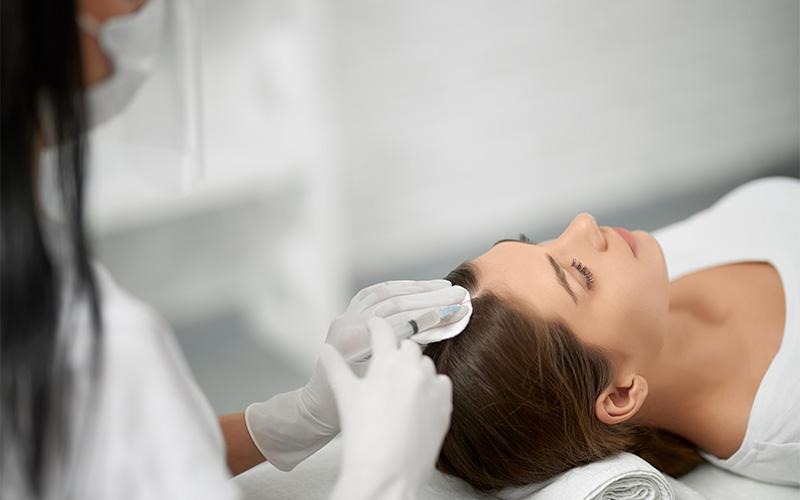
You moisturise your face. You condition your hair. But your scalp? That patch of skin hiding under your hair often gets zero attention, until it starts flaking, itching, or worse. If you’ve ever caught yourself absentmindedly scratching your scalp in public or sweeping white flakes off your shoulders during a meeting, you’re not alone. What many dismiss as simple dandruff may be a deeper imbalance. A dry scalp is a skin health issue. Understanding the roots of the problem and how to properly treat it with a structured dry scalp treatment or a proven scalp therapy for dry scalp approach is the first step toward relief.
More Than Just Dandruff
One of the biggest challenges with dry scalp is misdiagnosis. Flaking and itching are often mistaken for dandruff caused by excess oil or fungal activity. However, a dry scalp typically stems from a lack of moisture and a weakened skin barrier. That means common anti-dandruff shampoos packed with harsh activities might be doing more harm than good.
Environmental triggers like air conditioning, frequent washing, or poor diet can worsen dryness. The challenge is about recognising the root cause. And unfortunately, many off-the-shelf “solutions” merely mask the problem rather than healing it.
Another overlooked factor? Scalp product build-up. Styling creams, dry shampoo, and even “hydrating” oils can clog follicles if not cleansed properly, trapping irritants and causing more inflammation.
What Works Long-Term
After trying countless quick fixes and trendy hair hacks, many people come to a similar conclusion: real results take a holistic approach. A targeted scalp therapy for a dry scalp regimen works because it treats the scalp as skin that needs hydration, balance, and healthy microbiomes like your face.
One of the most important lessons? Consistency. A single exfoliating scrub won’t undo months of irritation. Instead, weekly scalp detox treatments that gently remove build-up while reintroducing moisture can gradually restore balance. Ingredients like ginseng and aloe vera soothe, while tea tree oil provides natural anti-inflammatory support.
Another key insight is that healing comes in layers. First, reduce inflammation. Then, support the barrier with moisturising agents. Finally, maintain that state with protective habits, like choosing sulphate-free shampoos, staying hydrated, and protecting your scalp from harsh UV.
If your scalp feels tight, itchy, or flaky, it’s time to treat it as the delicate skin it is, not just an extension of your hair.
What You Can Do Starting Today
While full recovery takes time, there are simple changes you can make today that will start your scalp on the path to healing.
Swap your harsh shampoo for a mild, pH-balanced formula that doesn’t strip oils. If you’re washing your hair daily, consider spacing it out to give your scalp’s natural oils a chance to work.
You can also try a warm towel compress infused with botanical essences to gently soothe irritation and open follicles for better absorption of treatments. Adding a targeted dry scalp treatment once or twice a week can show noticeable improvements in texture and comfort within days.
And here’s something overlooked: brushing. A soft-bristle brush helps stimulate circulation and naturally distribute scalp oils. It’s a simple step that costs nothing and brings more oxygen and nutrients to the scalp.
Salon vs. At-Home Scalp Therapy
Is professional scalp therapy for dry scalp worth it, or can you manage everything at home?
Experts are divided. On one hand, professional treatments offer advanced tools like magnified scalp scans, steamers, and herbal-infused serums applied with precision. These services provide a customised approach that home routines often lack, particularly useful if your dryness is severe or long-standing.
On the other hand, with the right knowledge and products, at-home care can be incredibly effective. The key lies in selecting treatments that are scalp-specific and following a routine. It’s about consistency and suitability.
Some trichologists argue that combining both approaches strikes the best balance. Much like skincare facials and daily cleansing, scalp health may benefit from both expert intervention and personal care habits.
Ultimately, the choice depends on the severity of your symptoms, your budget, and your commitment to consistent care. What’s non-negotiable? Paying attention to your scalp before it screams for help.
The Scalp Revival Starts with You
Your scalp has been working behind the scenes for years, regenerating skin, supporting hair growth, and shielding you from the environment. It deserves more than a few suds and a shrug. Adopting a dry scalp treatment plan doesn’t mean emptying your wallet or replacing every product overnight. It means rethinking your approach: hydrate, balance, protect. Try a basic detox. Introducing weekly tonics. Consider professional scalp therapy for dry scalp sessions if you need help decoding your symptoms. Above all, understand that your scalp matters, and how you treat it today determines how it feels tomorrow.
Connect with Bee Choo today to learn more.









Comments