
 By
By 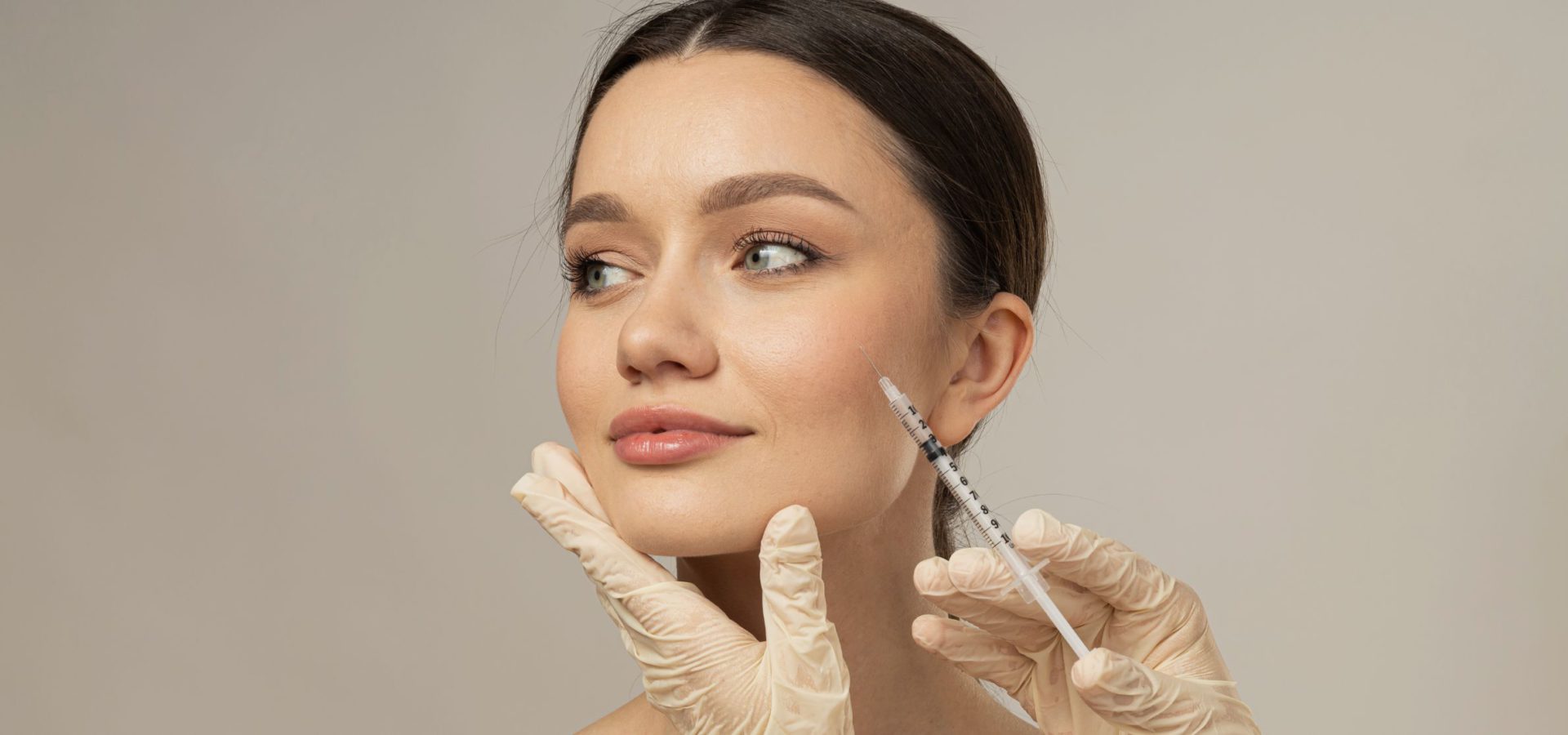
Botox has become a familiar word in modern healthcare and aesthetics. What was once a treatment spoken about quietly is now openly discussed in clinics, workplaces, and social settings. From smoothing fine lines to treating medical conditions such as excessive sweating, Botox has found its way into many areas of everyday life.
At the same time, more people are questioning what they put into their bodies and whether there are ways to achieve similar results using more natural, holistic approaches. Understanding both sides of the conversation allows people to make informed choices that align with their values, health goals, and comfort levels.
The Rise of Botox and Why It Is So Popular
Botox has grown rapidly in popularity over the last two decades. One reason is its effectiveness. It works quickly, requires minimal downtime, and produces visible results. In a world where people value convenience and fast outcomes, this has made it appealing.
Cosmetically, Botox is most commonly used to soften lines on the forehead, between the eyebrows, and around the eyes. These expressions develop over time through repeated muscle movement. Botox temporarily relaxes these muscles, creating a smoother appearance and helping people feel fresher and more confident.
Beyond aesthetics, Botox also plays a role in medical treatments. It is widely used for hyperhidrosis, a condition involving excessive sweating that can significantly affect quality of life. It can also help with migraines, jaw clenching, and certain muscle disorders.
For many people, Botox feels like a practical solution to problems that are otherwise difficult to manage.
What Botox Actually Is
While Botox is widely accepted, it is important to understand what it actually is. Botox is derived from botulinum toxin, a powerful neurotoxin. In controlled medical doses, it temporarily blocks nerve signals to specific muscles or glands, reducing movement or activity in that area.
When administered correctly by trained professionals, Botox is considered safe and effective. However, it is not a natural substance, and it does not work by supporting the body’s own healing processes. Instead, it overrides muscle activity for a period of time.
This distinction matters to some people, especially those who prefer treatments that encourage the body to repair and rebalance itself rather than suppressing natural function.
Why Some People Are Looking for Alternatives
As awareness around holistic health grows, more individuals are asking thoughtful questions about long term wellbeing. They may be comfortable with medical interventions when necessary, but prefer gentler options whenever possible.
Concerns can include repeated exposure to synthetic substances, the frozen appearance sometimes associated with overuse, or simply a desire to age naturally while still caring for the skin and body.
This has led to growing interest in treatments that work with the body rather than against it. Holistic skin clinics are responding by offering advanced therapies that stimulate regeneration, improve skin quality, and support muscle balance without relying on toxins.
Natural and Holistic Alternatives to Botox
Holistic approaches focus on encouraging the body’s own systems to function more effectively. Rather than stopping movement, these treatments aim to improve skin health, muscle tone, and cellular repair.
PRP Therapy
Platelet Rich Plasma therapy, often called PRP, uses a small sample of your own blood. This is processed to concentrate platelets that are rich in growth factors. When reintroduced into the skin, PRP stimulates collagen production, improves texture, and supports natural rejuvenation.
Because PRP uses your own biological material, it aligns well with those seeking a natural approach. The results develop gradually, creating subtle, healthy looking improvements.
Polynucleotide Therapy
Polynucleotide therapy is another regenerative treatment gaining attention. It works at a cellular level, supporting tissue repair, hydration, and elasticity. Rather than targeting muscles directly, it focuses on improving the quality of the skin itself.
This approach is particularly suited to people who want improved skin strength and resilience rather than muscle paralysis.
Radiofrequency Treatments
Radiofrequency therapy uses controlled energy to gently heat the deeper layers of the skin. This stimulates collagen and elastin production, helping to firm and tighten the skin over time.
It is non invasive and works by encouraging the skin to rebuild itself from within. Many people appreciate the natural progression of results without sudden changes.
Dynamic Muscle Activation
Dynamic muscle activation focuses on retraining facial muscles rather than freezing them. By encouraging balanced muscle movement, tension patterns can be softened while maintaining natural expression.
This approach respects the role of facial movement in communication and identity, supporting a more authentic appearance.
The Role of Holistic Clinics
Holistic clinics take a wider view of health and aesthetics. They consider lifestyle, stress, nutrition, and overall wellbeing alongside physical treatments. Rather than offering a single solution, they create personalised plans that evolve over time.
For people who want to reduce their reliance on synthetic substances while still addressing cosmetic or functional concerns, holistic clinics offer thoughtful alternatives.
Making an Informed Choice
There is no single right answer when it comes to Botox or its alternatives. For some people, Botox provides relief from medical conditions or delivers results that align with their needs. For others, holistic therapies feel more appropriate and empowering.
The key is understanding the options available and choosing what feels right for your body, your values, and your long term health goals.
A Considered Final Thought
Botox has earned its place in both medical and cosmetic care, but it is not the only path forward. As holistic medicine continues to evolve, more natural, regenerative treatments are becoming available, offering effective results without relying on toxins.
Ageing, expression, and health are deeply personal experiences. Whether someone chooses Botox, holistic alternatives, or a combination of approaches, the most important factor is informed choice.
Supporting the body’s natural ability to heal and regenerate is a powerful philosophy, and for many people, it represents the future of aesthetic and wellness care.

Comments