
 By
By 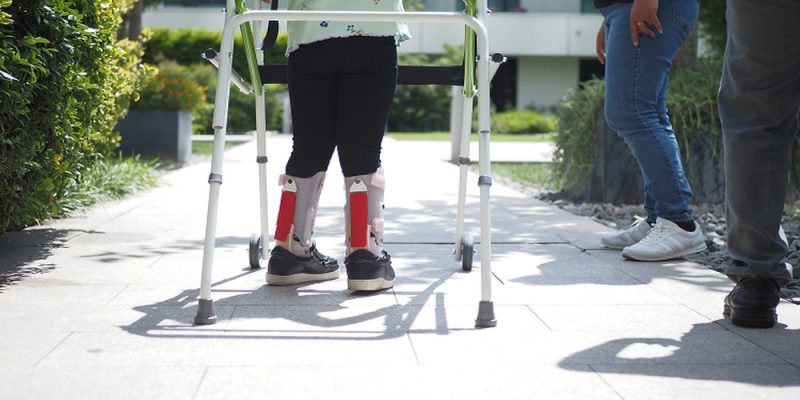
Key Takeaways
- Recovery after ACL surgery affects work capacity, driving ability, and daily routines in distinct phases.
- Sedentary roles may resume earlier, but physically demanding jobs require longer restrictions and structured clearance.
- Driving is limited initially, especially for right-leg surgery, due to reduced reaction time and pain.
- Daily activities, such as walking, climbing stairs, and household tasks, require gradual reintroduction.
- Close follow-up with an orthopaedic surgeon in Singapore ensures safe progression and reduces the risk of complications.
Introduction
Recovery after ACL surgery is not limited to the knee joint. It has a direct impact on how patients return to work, regain independence in driving, and manage daily routines. While surgical outcomes are often predictable, the practical realities of recovery vary depending on job demands, the operated leg, and adherence to rehabilitation protocols. An orthopaedic surgeon in Singapore typically outlines a structured timeline, but patients must understand how these timelines translate into everyday function.
Work
Returning to work depends heavily on the nature of the job. Patients in desk-based roles may resume work within one to two weeks, provided swelling is controlled and pain is manageable. However, even in sedentary settings, prolonged sitting can increase stiffness, requiring regular movement breaks and elevation of the leg. Employers may need to accommodate modified duties, including reduced hours or remote work arrangements, during the early phase.
Meanwhile, for physically demanding jobs, the timeline is significantly longer. Roles that involve standing, lifting, pivoting, or climbing place stress on the reconstructed ligament and surrounding structures. Return to work, in such cases, may take three to six months, depending on strength recovery and functional stability. Clearance from an orthopaedic surgeon is critical before resuming high-load activities, as premature return increases the risk of graft failure or secondary injury.
Driving
Driving is often one of the most misunderstood aspects of recovery. Patients are generally advised not to drive after ACL surgery until they regain sufficient muscle control, coordination, and reaction time. This approach is particularly important for right-leg surgery, where braking ability is directly affected.
Most patients can consider returning to driving between four to six weeks post-surgery, but this is not a fixed rule. The ability to perform an emergency stop without hesitation is the key benchmark. Pain, swelling, and reduced quadriceps strength can delay this milestone. Additionally, patients must not be under the influence of pain medication that impairs alertness. Clearance from an orthopaedic surgeon or physiotherapist is recommended before resuming driving to ensure safety for both the patient and others on the road.
Daily Life
Daily activities require structured reintroduction. For instance, in the first few weeks after ACL surgery in Singapore, walking is supported by crutches and a knee brace, depending on the surgical approach and the surgeon’s preference. Patients gradually transition to full weight-bearing as strength and balance improve.
Climbing stairs is one of the earliest functional challenges. Patients are typically advised to lead with the uninjured leg when going up and the operated leg when going down. This method reduces strain on the recovering knee. Household tasks such as cooking, cleaning, and carrying items are also limited initially, as they involve twisting or uneven weight distribution.
Over time, as rehabilitation progresses, patients regain independence in these tasks. However, movements that involve sudden pivoting or deep knee bending are restricted for several months. Consistent physiotherapy plays a central role in restoring functional movement patterns and preventing compensatory habits that may lead to further injury.
Conclusion
Recovery after ACL surgery extends beyond clinical healing and directly affects work, driving, and everyday function. Each area requires a phased approach, guided by physical readiness rather than fixed timelines. While sedentary work may resume early, physically demanding roles and driving require careful assessment of strength and control. Daily activities also evolve gradually, with structured rehabilitation ensuring safe progression. Ongoing evaluation by an orthopaedic surgeon in Singapore remains essential to balance recovery speed with long-term joint stability.
Contact Dr Bryan Tan and get a recovery plan that actually fits your body and your lifestyle.








Comments