 By
By 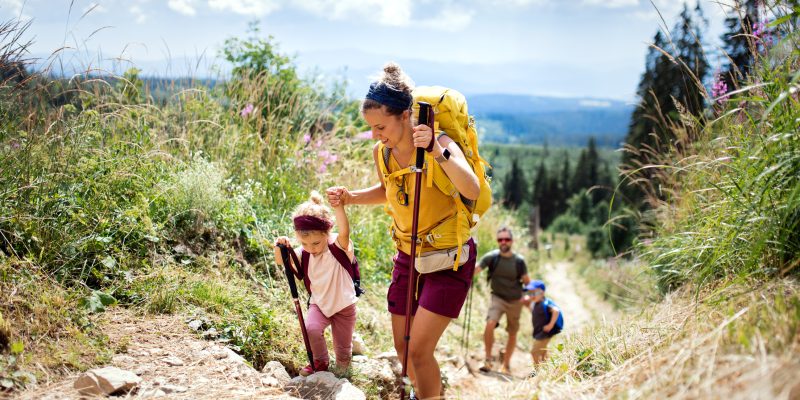
Canadians are pretty good at buying things meant to improve our health. Gym memberships. Standing desks. Fancy water bottles. Apps that promise better sleep if we just remember to charge our watch.
Some of those things help. Some… not so much.
But if I’m being honest — and I am — the single best investment I’ve ever made in my health didn’t come with a monthly fee or a tracking dashboard. It came from spending more time outside doing things I enjoy.
Hiking. Cycling. Paddling. Snowshoeing. Even just walking aimlessly on a trail with no real goal other than getting some air.
The funny thing is, when outdoor hobbies become part of your life, they quietly solve a lot of health problems you weren’t actively trying to fix.
Health That Doesn’t Feel Like a Chore
Most health plans fail for one simple reason: they feel like work.
We tell ourselves we should exercise. We should move more. We should make time for it. And then life does what life always does — it gets busy, cold, dark, or exhausting.
Outdoor hobbies flip that script.
When your “exercise” is something you genuinely look forward to, motivation stops being the bottleneck. You’re not dragging yourself through a routine. You’re choosing an experience.
That’s why so many Canadians stick with activities like cycling or hiking long after gym phases come and go. You’re not counting reps — you’re chasing views, quiet moments, or the simple satisfaction of moving your body through real space.
It also helps when logistics don’t get in the way. If biking is part of your routine, for example, having an easy way to transport your bike, such as using a vertical bike rack, makes it far more likely you’ll actually go when the opportunity pops up instead of talking yourself out of it.
Movement That Fits the Canadian Lifestyle
Canada isn’t built for year-round patio weather. Our seasons are real. Sometimes aggressively so.
Outdoor hobbies work here because they adapt. Summer hiking turns into fall trail riding, which turns into winter snowshoeing or cross-country skiing. The activity changes, but the habit stays.
That seasonal rhythm is incredibly healthy — physically and mentally.
According to Health Canada’s physical activity guidelines, regular movement lowers the risk of heart disease, improves mental health, and supports long-term mobility.
What those guidelines don’t always capture is how much easier it is to follow them when movement is built into something you enjoy.
Mental Health Benefits You Don’t Get Indoors
Let’s talk about the part that doesn’t show up on fitness trackers.
Being outside changes how your brain works.
There’s a noticeable difference between exercising indoors under fluorescent lights and moving through a forest, along a lake, or down a quiet trail. The latter slows your thoughts down. It gives your nervous system a break.
I’ve seen this firsthand. Days when I get outside — even briefly — feel different. Less frantic. Less compressed. Problems don’t disappear, but they feel more manageable.
The Heart & Stroke Foundation of Canada highlights how regular physical activity supports stress reduction and emotional well-being.
Add fresh air, natural light, and a bit of solitude to that equation, and the effect compounds.
Outdoor Hobbies Encourage Consistency, Not Extremes
One of the underrated benefits of outdoor activities is that they rarely push you toward unhealthy extremes.
You don’t “cram” hiking the way you cram workouts. You don’t usually overdo cycling because your body gives feedback fast. Fatigue is honest outdoors.
That leads to a healthier relationship with movement — one based on consistency instead of intensity.
You go out when you can. You turn around when you need to. You listen more closely to what your body’s telling you.
Over time, that builds resilience instead of burnout.
Social Health Counts Too (Even for Introverts)
Outdoor hobbies are sneaky that way. They’re social without being overwhelming.
You can ride or hike alone. You can also do them with friends without the pressure of constant conversation. Side-by-side movement makes connection easier.
Some of the best conversations I’ve had didn’t happen across a table — they happened while walking a trail or pedalling a long stretch of road. No phones. No distractions. Just movement and space.
That kind of connection is harder to manufacture indoors.
Why This Kind of Investment Pays Off Long-Term
Here’s the part that really matters.
Outdoor hobbies don’t just improve how you feel today. They shape how you age.
Balance. Joint health. Cardiovascular capacity. Mental resilience. These aren’t things you can buy later when you need them. You build them slowly, almost accidentally, by staying active in ways that don’t feel forced.
Statistics Canada has repeatedly shown links between regular physical activity and reduced long-term healthcare strain.
That doesn’t mean you need to train like an athlete. It just means staying engaged with movement that feels sustainable for decades, not weeks.
Making Outdoor Habits Easier to Maintain
The biggest threat to outdoor hobbies isn’t weather or age — it’s friction.
When gear is hard to access, hard to transport, or hard to store, you start skipping opportunities. When it’s simple, you say yes more often.
That might mean:
- Keeping gear ready instead of buried
- Reducing setup time
- Choosing equipment that fits your actual lifestyle, not an idealized one
The easier it is to get outside, the more often you will.
Get Outside to Improve Your Health
If you strip away the noise around health — the trends, the products, the promises — what’s left is pretty simple.
Move your body regularly. Manage stress. Spend time outside. Do things you enjoy enough to repeat.
Outdoor hobbies do all of that quietly, without demanding perfection or discipline. They meet you where you are, in whatever season you’re in — literally and figuratively.
In a country as big and varied as Canada, choosing to engage with the outdoors isn’t just recreation. It’s one of the smartest, most sustainable investments you can make in your health.
And honestly? It’s one of the few that pays you back every single time you show up.
Comments