
 By
By 
You brush, you remind your kids to brush, you try to keep snacks under control, and somehow someone still ends up with tooth pain, bleeding gums, or a surprise cavity at the worst time. That kind of dental stress wears on a family. It is not just about teeth. It is about missed school, time off work, sleep lost to pain, and the cost of fixing problems that got bigger than expected. That is why families look for trusted dentistry in Euless, TX.
The good news is that strong teeth usually come from steady habits, not perfect ones. A few smart routines, done often, protect your mouth far better than last minute fixes. These family dental care tips focus on what actually helps, what tends to go wrong, and how a family dentist fits into the picture before small issues turn expensive.
Daily brushing and flossing stop small problems from becoming painful ones
Most dental trouble starts quietly. Plaque builds up along the gumline, food gets stuck between teeth, and nobody notices much until there is sensitivity, bad breath, or bleeding when brushing. You may already know the basics, but the hard part is consistency, especially when mornings are rushed and bedtime turns chaotic.
Brushing twice a day with fluoride toothpaste and cleaning between teeth once a day does more than freshen breath. It removes the film of bacteria that leads to cavities and gum disease. The National Institute of Dental and Craniofacial Research offers clear oral hygiene guidance that supports these simple habits because they work across ages.
Children often need help longer than parents expect. A child may want independence, but brushing well takes hand control and patience. Adults run into a different problem. They brush quickly, skip flossing, and assume one good cleaning will make up for months of buildup. It does not. Home care is the base layer of prevention, and every professional visit builds on that.
Food and drink choices shape tooth strength all day long
Teeth do not get damaged only by candy. Frequent snacking, sports drinks, juice, soda, sweet coffee, and even constant grazing on crackers can keep acids working against enamel for hours. That is where many families get caught off guard. It is not always the amount of sugar. It is how often teeth are exposed to it.
If your child sips juice through the afternoon or you reach for sweetened coffee several times a day, your mouth does not get much time to recover. Water helps. Eating at regular times helps. Pairing sweets with meals instead of stretching them across the day helps. The Centers for Disease Control and Prevention shares practical oral health tips for adults that apply to the whole household, especially around diet and tobacco use.
This is one reason healthy teeth maintenance is not about one rule. It is about patterns. One dessert after dinner is usually less harmful than a day of sweet sipping and snacking that keeps feeding bacteria.
Fluoride gives teeth added protection when routines are not perfect
Most families are not perfect every day. Someone falls asleep before brushing. A toddler fights toothbrushing for a week. A teenager lives on snacks during exams. Fluoride helps because it strengthens enamel and lowers the risk of decay. That extra protection matters in real life, where routines slip.
The CDC explains how fluoride protects teeth by helping prevent cavities and repairing early damage before it turns into a hole in the tooth. Fluoride toothpaste is a simple place to start. Depending on cavity risk, a family dentist may also recommend varnish treatments or other options for stronger protection.
Some parents worry when they hear mixed messages online. Most of that confusion comes from lumping all fluoride use together. The amount in toothpaste and professionally guided preventive care is not the same as random overuse. When used as directed, fluoride is one of the most proven tools in preventive family dentistry.
Regular family dentist visits catch what you cannot see at home
You can do a lot at home, but you cannot spot every early cavity, every area of tartar, or every bite issue just by looking in the mirror. Dental problems often stay painless until they are advanced. That is why people are shocked to hear they need treatment when they felt fine a week earlier.
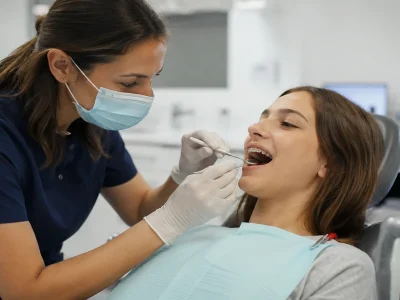
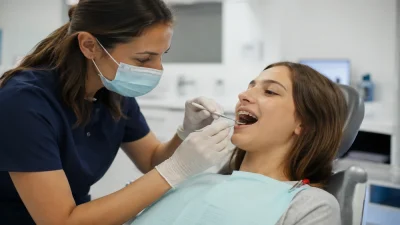
A family dentist checks for decay, gum inflammation, wear, grinding, and changes in the mouth that deserve attention. Professional cleanings remove hardened plaque that brushing cannot touch. For children, visits also help track growth and teach good habits early. For adults, they often catch gum disease before it starts affecting bone support.
This is where many households save money in the long run. A small filling is easier to manage than a root canal. A cleaning and exam cost less than emergency care after swelling or a broken tooth. The pattern is simple. Prevention feels optional until treatment becomes urgent.
DIY care and professional dental care serve different roles
| Area | At Home | With a Family Dentist |
|---|---|---|
| Plaque control | Brushing twice daily and flossing remove soft plaque | Cleanings remove tartar that home tools cannot remove |
| Cavity prevention | Fluoride toothpaste, water, fewer sugary snacks | Sealants, fluoride treatments, early decay detection |
| Gum health | Daily brushing along the gumline and flossing | Evaluation of bleeding, pockets, and early gum disease |
| Pain and damage | Temporary symptom relief and careful hygiene | Diagnosis and treatment of cracks, infections, and tooth decay |
| Long term cost | Low daily cost, strong preventive value | Higher short term cost, often lowers major treatment costs later |
Simple steps make family oral health easier to keep up
Set one nonnegotiable brushing routine. Pick times your household can actually keep. For many families, that means after breakfast and before bed. Keep floss picks, toothbrushes, and fluoride toothpaste visible and easy to reach. Convenience matters more than good intentions.
Change the snack pattern, not every food in the house. You do not need a perfect pantry. Reduce all day grazing, offer water more often, and keep sugary drinks for occasional use instead of daily sipping. That one shift lowers acid exposure more than most people realize.
Book routine dental visits before there is a problem. Preventive appointments are easier to schedule, easier on the budget, and easier on your family than urgent care for pain. If someone in your home has bleeding gums, tooth sensitivity, or frequent cavities, mention it early so the dental team can adjust care before the issue grows.
Strong, healthy teeth do not come from luck. They come from a few habits repeated over time, support from a trusted family dentist, and early action when something feels off. If your household has been falling behind, you are not alone, and you do not need to fix everything at once. Start with the next brushing, the next better snack choice, and the next routine dental visit.





Comments