
 By
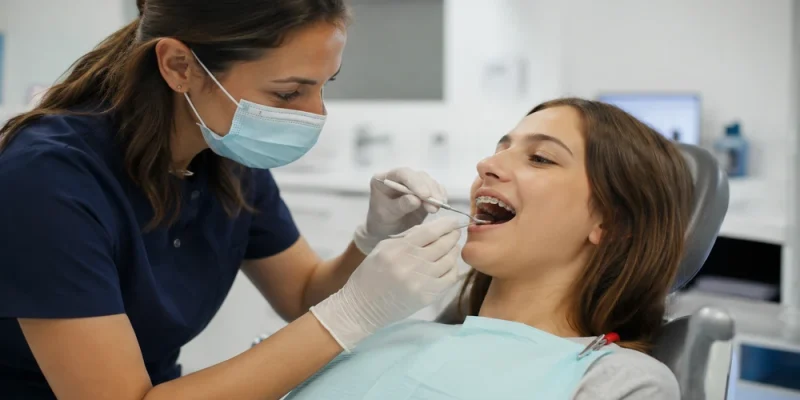
You may have started with a veneer because you wanted a cleaner smile, a smoother front tooth, or a fix that did not require full coverage at a dental clinic in SW Calgary. Then something changed. The veneer chipped, the tooth under it weakened, decay showed up at the edge, or your bite kept putting pressure on that one tooth. Now you are hearing a different recommendation, a crown instead of another veneer, and that can feel frustrating. You already treated the tooth once. You may be wondering why the plan changed and whether more of your natural tooth now has to be removed.
That concern is valid. A veneer and a crown do not cover the tooth in the same way. A veneer usually covers the front surface and sometimes wraps slightly around the sides. A crown covers the entire visible part of the tooth above the gumline. When a dentist recommends replacing a veneer with a crown, the reason is usually strength, protection, or the amount of remaining healthy tooth structure. The change is not about doing more work for the sake of it. It is about matching the restoration to what the tooth can safely handle now.
Replacing a veneer with a crown changes how the tooth is protected
Veneers are designed for appearance first, though they can add some strength. Crowns are built for coverage and support. If the tooth has a crack, a large old filling, wear from grinding, or repeated veneer failure, the thinner option may no longer be enough. In that situation, veneer to crown replacement becomes less of a cosmetic choice and more of a protective one.
You might hear this recommendation after a veneer pops off and reveals decay underneath, or after the tooth darkens because the inner structure changed. In other cases, the tooth has already been reduced once for the veneer, and there is not enough enamel left for a strong bond. Veneers bond best to enamel. When too much dentin is exposed, the long term hold can become less reliable. A crown can provide a more secure restoration when bonding conditions are no longer ideal.
Dental materials have also improved over time, which affects treatment planning. The National Institute of Dental and Craniofacial Research discusses ongoing work in dental materials research, including efforts to improve durability and performance. Even with better materials, the best choice still depends on how much healthy tooth remains and how much force that tooth takes every day.
A crown may be recommended when the tooth itself has changed
This is often the part people do not expect. The veneer may not be the main problem. The tooth under it may have changed. Decay can develop around restoration margins. MedlinePlus explains how tooth decay can damage tooth structure over time, and once that damage reaches a certain point, a conservative cosmetic restoration may not be enough.
If you clench at night, bite your nails, chew ice, or had trauma to the tooth years ago, the stress adds up. A front tooth can look fine from the outside and still be structurally compromised. That is why replacing a veneer with a crown sometimes follows a careful exam, x rays, bite analysis, and photos rather than a quick visual check.
Replacing a dental veneer with a crown can also come up after root canal treatment. A tooth that has had nerve treatment may become more brittle over time. Not every root canal tooth needs a crown, especially in the front, but many do better with more coverage when there is substantial loss of structure.
The differences between veneers and crowns affect cost, strength, and longevity
| Factor | Veneer | Crown |
|---|---|---|
| Tooth coverage | Usually front surface, sometimes part of the sides | Entire visible tooth above the gumline |
| Main purpose | Cosmetic improvement with conservative coverage | Protection, strength, and cosmetic improvement |
| Best bonding surface | Strongest when bonded mostly to enamel | Useful when enamel is limited or tooth is heavily restored |
| Common reasons for replacement | Chipping, staining at margins, debonding, recurrent decay | Wear, fracture, decay at margins, material aging |
| When often preferred | Healthy tooth with mostly cosmetic concerns | Cracked, weakened, root canal treated, or heavily filled tooth |
That shift matters financially too. Crowns often cost more than veneers, and replacing one restoration with another can feel like paying twice for the same tooth. The difference is that the goal has changed. A veneer improves what shows. A crown protects what remains. If your dentist is talking about a full coverage restoration, ask what changed in the tooth itself. The answer should be clear and specific.
If you want a general overview of crown placement and what the process involves, MedlinePlus has a straightforward explanation of dental crown treatment.
General and cosmetic dentist evaluations should explain the why, not just the what
A good treatment discussion should not leave you guessing. You should know whether the issue is fracture risk, decay, loss of enamel, bite pressure, or old dental work that no longer seals well. This is where a general and cosmetic dentist can help connect appearance and function. A front tooth has to do both. It has to look natural, and it has to survive daily use.
If the explanation is vague, get more detail. Ask to see the photos. Ask where the old veneer failed. Ask how much healthy tooth remains. If another veneer is still possible, ask what the tradeoffs are. Some patients accept a higher chance of future failure to preserve more tooth. Others want the stronger option now to avoid repeat treatment. Neither choice is automatic. It depends on your goals and the condition of the tooth.
Three steps help you decide on replacing a veneer with a crown
Ask for a tooth by tooth reason. Do not settle for “you need a crown.” Ask what specific finding supports it. Crack lines, decay, reduced enamel, bite load, and old bonding failure are all different reasons, and each one matters.
Review the materials and appearance plan. Crowns can still look very natural, especially on front teeth, but shade, translucency, and edge shape need attention. Ask whether the final result will match the nearby teeth and whether a temporary will let you preview the shape.
Protect the final restoration. If grinding, clenching, or bite imbalance helped cause the problem, fix that part too. A night guard or bite adjustment may matter as much as the crown itself. Without that, the same forces can damage the new work.
When you hear that a veneer now needs to become a crown, it can feel like the situation got bigger without warning. Sometimes it did. Teeth change, restorations age, and what worked years ago may not be the right answer today. The goal is not to cover more tooth than necessary. The goal is to protect the tooth you still have and give it the best chance to last.
If you are weighing your options, schedule an evaluation with a dentist who handles both cosmetic detail and long term function. Clear answers, photos, and a plan that makes sense can take a lot of stress out of the decision.






Comments