
 By
By 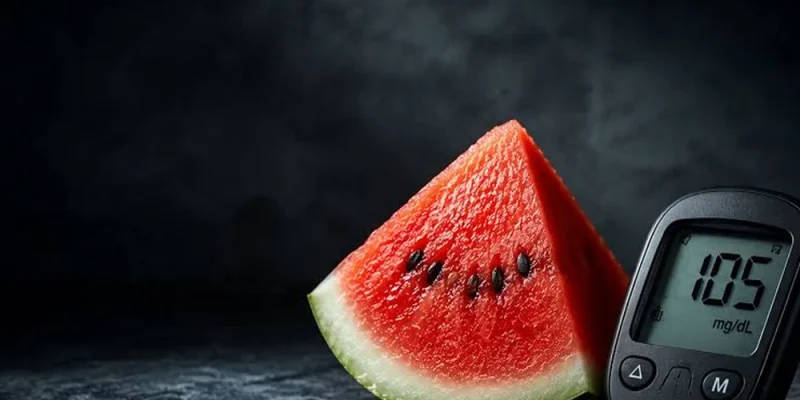
Few things are as refreshing on a hot Indian afternoon as a cold slice of watermelon. Yet many people with diabetes avoid it completely after hearing that it has a “high glycaemic index”. Is that fear justified? Is watermelon good for diabetes, or should it stay off your plate? The answer is more reassuring than you might expect, once you understand the difference between glycaemic index and glycaemic load.
Glycaemic Index vs Glycaemic Load
The glycaemic index (GI) measures how quickly a food’s carbohydrate raises blood sugar compared with pure glucose. Watermelon’s GI is relatively high, typically quoted in the range of about 72 to 80.
But GI does not consider how much carbohydrate is in a normal serving. That is where glycaemic load (GL) comes in. GL combines the speed of the sugar rise with the actual amount of carbohydrate you eat.
Watermelon is about 90 percent water. A typical serving of around 120 grams contains only about 9 grams of carbohydrate, which gives it a low glycaemic load of roughly 4 to 5. In practical terms, a modest portion of watermelon has a relatively small effect on blood sugar for most people.
Nutritional Benefits
Watermelon offers more than hydration:
- Lycopene: the red pigment is a powerful antioxidant linked with heart health.
- Vitamin C and vitamin A: support immunity and skin health.
- Citrulline: an amino acid that may support healthy blood flow.
- Potassium: helps balance the effects of sodium on blood pressure.
- Low calories: one cup of diced watermelon has under 50 calories.
For people with diabetes, who are at higher risk of heart disease, these nutrients are a welcome bonus. Its high water content also helps with hydration during hot Indian summers, when dehydration can itself raise blood sugar readings.
So, Can Diabetics Eat It?
If you have been searching “can diabetics eat watermelon?”, the answer for most people with reasonably controlled diabetes is yes, in moderation. The key is controlling how much you eat and what you eat it with.
How to Eat Watermelon Smartly
Keep portions small
One cup of diced watermelon, about 150 grams, is a sensible serving. Eating half a large melon in one sitting is a different story and can raise blood sugar significantly.
Choose whole fruit, not juice
Juicing removes fibre and makes it easy to consume far more fruit than you would eat whole. Watermelon juice, particularly with added sugar, can push glucose up quickly.
Pair with protein or healthy fat
Eat watermelon with a handful of nuts, a few cubes of paneer or a small bowl of curd. Protein and fat slow the absorption of sugar.
Eat it as a snack
Have watermelon as a standalone mid-morning or afternoon snack rather than immediately after a heavy, carbohydrate-rich lunch, when your blood sugar is already rising.
Count it in your day’s carbohydrates
Treat watermelon as one of your fruit servings, not an extra. Structured diet plans can help you balance fruit with the rest of your carbohydrates. If you are eating watermelon, skip other fruit at that time.
Check your own response
Everyone’s blood sugar responds differently. Test your glucose about two hours after eating watermelon a few times to understand how it affects you.
How Watermelon Compares With Other Fruits
Compared with very sweet fruits such as mango, chikoo, banana or grapes, a cup of watermelon carries fewer carbohydrates and calories, which is why its glycaemic load stays low. Fruits like guava, apple, pear, orange and berries still have the edge for people with diabetes because they offer more fibre per serving. A sensible approach is to rotate fruits through the week, choosing lower-sugar, high-fibre options most days and enjoying watermelon in measured portions during summer, rather than making it your only fruit.
What Ayurveda Says
In Ayurveda, watermelon is considered cooling and hydrating, ideal for the hot season when Pitta is high. Traditional advice suggests eating it on its own rather than mixing it with heavy meals, and avoiding it late at night. Traditional practice also discourages combining watermelon with milk or curd. These principles happen to align well with modern advice on portion and timing for people with diabetes.
Who Should Be More Careful?
- People whose blood sugar is frequently high or poorly controlled
- Those on insulin or medicines that require careful carbohydrate counting
- People with diabetic kidney disease who have been advised to limit potassium
- Anyone who notices large blood sugar spikes after eating it
The Bottom Line
Is watermelon good for diabetes? Despite its high glycaemic index, its low glycaemic load means a modest portion of fresh watermelon can fit into most diabetes-friendly diets. Keep servings to about a cup, choose whole fruit over juice, pair it with protein and monitor your readings. That way you can enjoy this summer favourite without worry, and still keep your long-term blood sugar goals firmly on track.
Disclaimer: This article is for general information only and is not a substitute for medical advice. Please consult a qualified doctor or dietitian before making changes to your diet or treatment.









Comments