
 By
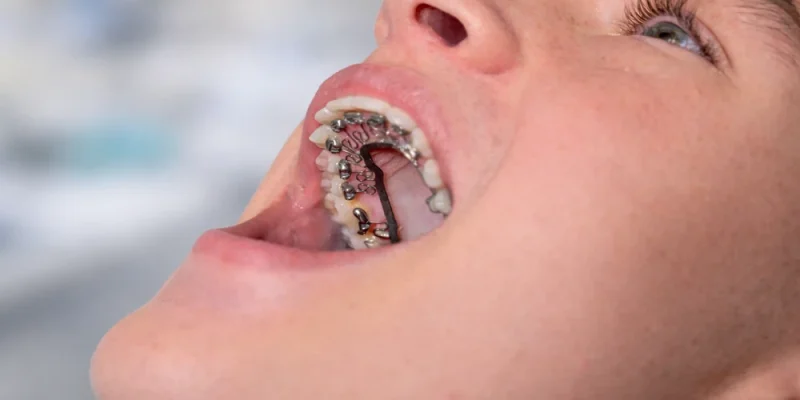
For many people in Bristow, the idea of straightening their teeth may sound great, but the very thought of wearing visible braces can be a little less appealing. That is where lingual braces come in. They offer the same goal as traditional braces while staying almost completely hidden from view.
If you are considering orthodontic treatment, understanding the advantages and drawbacks of lingual braces can help you decide whether they are the right fit for your lifestyle.
Many people wear braces, but you cannot see them when they talk. These lingual braces are custom-made braces attached to the back surfaces of the teeth, making them largely invisible during treatment. You can contact Modern Orthodontics if you need an expert in lingual braces in Bristow. Let us try to learn more about this in this post.
What Are Lingual Braces?
Lingual braces work similarly to traditional metal braces. Brackets and wires apply gentle, continuous pressure to gradually move teeth into their desired positions. The key difference is placement. Instead of sitting on the front of the teeth, the brackets are attached behind them, on the tongue side. This hidden location makes them difficult for others to notice.
Because they are custom-designed for each patient, lingual braces can provide highly precise tooth movement while remaining discreet.
The Benefits of Lingual Braces
Lingual braces have become a popular choice for adults and image-conscious teens for several reasons:
- Nearly invisible appearance makes them ideal for people who prefer a discreet treatment option.
- Custom-made design allows brackets and wires to fit the shape of each tooth for accurate treatment.
- Effective for various orthodontic issues, including crowding, overbites, crossbites, spacing problems, and more complex misalignments.
- No visible staining on the front surfaces of teeth around the brackets after treatment.
- Always in place, meaning there is no risk of forgetting to wear them, unlike removable aligners.
- Suitable for active lifestyles, especially for individuals concerned about the appearance of traditional braces.
For many patients, the confidence boost alone is a major advantage. Being able to smile in photos, attend meetings, or socialize without obvious braces can feel incredibly reassuring.

The Drawbacks to Consider
As appealing as lingual braces are, they are not perfect.
- Tongue irritation is one of the most common complaints during the adjustment period.
- Temporary speech changes can occur, though many patients adapt over time.
- More challenging cleaning routines are required because the brackets sit behind the teeth.
- Higher treatment costs are common due to the customized manufacturing process and specialized expertise involved.
- Not every orthodontist offers them, as specialized training and equipment may be needed.
Are Lingual Braces Right for You?
The answer depends on your priorities. If appearance is your major concern and you prefer a fixed orthodontic solution that remains hidden, lingual braces are an excellent choice. On the other hand, if cost, tongue comfort, or cleaning complexity are significant concerns, other options may be worth exploring.
Ultimately, the best treatment is the one that balances effectiveness, comfort, and lifestyle needs. A consultation with an experienced orthodontist can help determine whether lingual braces are the right step toward your future smile.





Comments