
 By
You want to stay active without turning every practice, game, or workout into a worry about your teeth. That stress is real. If you or your child has braces, aligners, or another appliance, sports can suddenly feel less simple. A hit to the face is not just a bruise anymore. It can mean a broken bracket, a cut lip, a delayed treatment plan, or an expensive repair. If you need guidance from an orthodontist in Whittier, CA, taking the right precautions can help protect your smile.
The good news is that orthodontic treatment does not have to pull you away from the things you love. With the right protection and a few smart habits, most athletes can keep training, competing, and recovering with less risk. The impact of orthodontics on sports and active lifestyles comes down to preparation, communication, and knowing where the real risks are.
Orthodontic treatment changes the way sports injuries affect your mouth
Athletes deal with falls, elbows, balls, sticks, and accidental contact all the time. Add braces to that, and the mouth becomes more vulnerable. Metal brackets and wires can cut the cheeks and lips during impact. Even clear aligners, which are removable, create decisions around when to wear them, when to store them, and how to protect teeth during contact sports.
This is where many families get frustrated. Orthodontic care is already a time commitment. When sports enter the picture, one injury can set off a chain reaction. You miss a game, then an orthodontic visit, then a few weeks of progress. If a bracket breaks during a tournament weekend, you may spend days trying to manage discomfort until the office opens.
Research supports that sports related dental trauma is common, especially in contact and collision activities. A review on sports related dental injuries and prevention points to mouthguards as one of the most effective ways to reduce damage to teeth and surrounding tissues. That matters even more when orthodontic appliances are involved, because the appliance itself can increase soft tissue injury during impact.
Active lifestyles and braces can work together with the right protection
Playing sports with braces is possible, but it is not something to leave to chance. A mouthguard is usually the first line of defense. For athletes with braces, orthodontic mouthguards are designed to fit over brackets and allow room for tooth movement. They help cushion the blow, protect the lips and cheeks from cuts, and lower the chance of damage to the appliance.
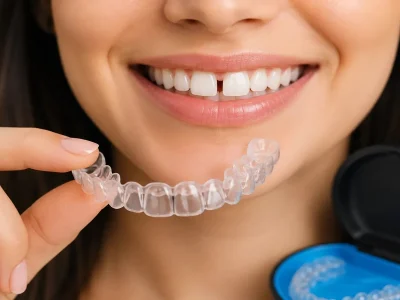
If you use clear aligners, the plan may be different. Some athletes are told to remove aligners during contact sports and wear a sports mouthguard instead. Others may need a sport specific routine based on how often they practice and how long they can safely keep aligners out. That is why a generic answer from a sporting goods shelf often falls short.
Dental injuries in sports can also affect more than teeth. Head and facial trauma can overlap, and quick action matters. Tufts highlights the connection between oral protection and broader injury prevention in its piece on keeping your head and your teeth after sports related dental injuries. If a tooth is displaced, a bracket is embedded in the lip, or there is heavy bleeding, that is not a wait and see situation.
Sports performance and orthodontic care benefit from planning, not guesswork
One of the biggest myths is that orthodontics and athletics are in conflict. They are not. What causes problems is poor planning. An athlete with braces who skips a mouthguard because it feels bulky is taking a risk every time they step on the field. A parent who assumes a boil and bite guard fits the same way over braces as it does over untreated teeth may not realize the guard can become tight as teeth move.
There is also the comfort issue. If something rubs, pinches, or makes breathing feel harder, it tends to get abandoned. That is why fit matters so much. Studies on mouthguard use and oral injury prevention, including findings discussed in research on athletic mouthguards and dental trauma prevention, show that athletes are more likely to wear protection consistently when it is comfortable and sport appropriate.
| Option | Best For | Pros | Limits |
|---|---|---|---|
| Stock mouthguard | Short term, low contact activity | Easy to buy, low cost | Loose fit, less comfort, lower protection |
| Boil and bite mouthguard | Recreational athletes without braces, some low risk use | Better fit than stock, widely available | May fit poorly over braces as teeth shift |
| Orthodontic mouthguard | Athletes with braces | Designed for brackets, protects soft tissue, allows tooth movement | Needs replacement as treatment changes |
| Custom sports mouthguard | High contact athletes, complex cases | Best fit, strong comfort, more consistent wear | Higher cost, requires professional guidance |
Orthodontics and sports work best when the protection matches the activity. Football, hockey, basketball, martial arts, skateboarding, and mountain biking carry different risks, but they all share one fact. Teeth and appliances are easier to protect before an injury than after one.
Three steps that protect your treatment and your season
1. Get sport specific guidance. Tell your orthodontist exactly what you do. Not just “sports,” but which sports, how often, and whether they involve contact, speed, or falls. A runner and a wrestler do not need the same plan. This is where orthodontic care for athletes becomes personal instead of generic.
2. Build an injury kit. Keep orthodontic wax, a small mirror, saline rinse, gauze, and your orthodontist’s contact information in your gym bag. If a wire shifts or a bracket breaks after a hit, you can manage the immediate problem instead of panicking in the parking lot.
3. Replace protection when your mouth changes. Teeth move during treatment. That means a guard that fit well three months ago may not fit well now. If it feels tight, loose, or irritating, ask for a replacement. Consistent protection matters more than owning a mouthguard you stopped wearing.
Staying active during orthodontic treatment is realistic
You do not have to choose between a healthy smile and an active life. Most of the risk comes from being unprepared, not from the fact that you have braces or aligners. The right mouthguard, quick response to injuries, and a treatment plan that accounts for your sport can protect both your progress and your confidence.
If sports are part of your routine, bring that into every orthodontic conversation. Ask what protection fits your activity, what to do after an injury, and when your gear needs to change. A good orthodontist can help you stay in the game without losing sight of the reason you started treatment in the first place.

Comments