
 By
By 
Key Takeaways
- The experience of your specialist in handling specific joint injuries greatly influences the success rate of your treatment.
- Clear communication regarding the risks and benefits of a procedure helps you make an informed decision for your health.
- Comprehensive diagnostic facilities within the medical practice allow for a faster and more accurate treatment plan.
Introduction
Dealing with a sudden knee injury can be an overwhelming experience, especially when it involves a ligament tear. For many active individuals, the first priority is finding a qualified orthopaedic doctor in Singapore who can provide an accurate diagnosis and a clear recovery roadmap. Knee health is complex, and the choices you make in the early stages of an injury will determine how well you recover in the long term. It is important to look for a specialist who not only has the technical skills but also understands your personal goals, whether that involves returning to competitive sports or simply walking without pain.
Assessing Professional Qualifications
When you are searching for a specialist, you should look into their specific area of expertise and their track record with similar cases. An experienced orthopaedic doctor will often have sub-specialisations in areas like sports medicine or joint reconstruction. You can usually find information about their training and fellowships on their professional profiles. Asking about the number of successful procedures they have performed can also give you peace of mind. A doctor who stays updated with the latest clinical research and surgical techniques is more likely to offer you the most advanced care available.
Dealing with Ligament Injuries
If your injury is severe, you may find that ACL surgery in Singapore is recommended to restore stability to your knee. The Anterior Cruciate Ligament (ACL) is one of the key stabilising structures in the joint, and a full tear rarely heals on its own. The surgical process involves replacing the torn ligament with a graft, which can be taken from your own hamstring or patellar tendon. Understanding the different types of grafts and the surgical approach used by your doctor is a crucial part of your preparation. This procedure is common among athletes, but it requires a high level of precision to ensure the new ligament is positioned correctly.
The Importance of the Consultation
During your initial meeting with an orthopaedic doctor in Singapore, pay attention to how they explain your condition. A good specialist will use simple terms to describe the injury and will be happy to answer any questions you have about the recovery timeline. They should also discuss non-surgical alternatives if your injury is not a complete tear. This transparent approach builds trust and ensures that you are a partner in your own healthcare journey. If you feel rushed or if your concerns are dismissed, it may be worth seeking a second opinion before committing to a major procedure.
Preparing for the Recovery Journey
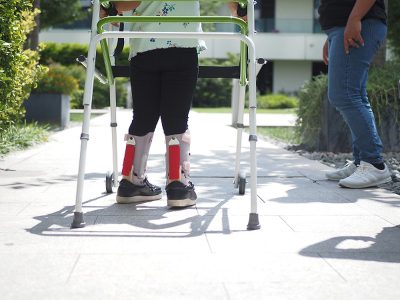
Undergoing ACL surgery is only the beginning of a multi-month commitment to your physical health. Your surgeon will work closely with physiotherapists to guide you through the various stages of healing, from initial swelling management to advanced agility drills. You will need to be diligent with your rehabilitation exercises to prevent the knee from becoming stiff or the muscles from wasting away. The success of the surgery depends heavily on your dedication to this post-operative programme. With patience and the right medical guidance, most people can return to their previous levels of activity.
Conclusion
Finding the right medical professional is the foundation of a successful recovery from any bone or joint injury. Whether you require complex ACL surgery in Singapore or conservative management, the expertise of your chosen specialist makes all the difference. Prioritise finding someone who combines clinical excellence with a patient-centred approach for the best possible results.
Contact Auspicium Orthopaedic Centre to find out more about your treatment options and recovery plans.





Comments