
 By
By 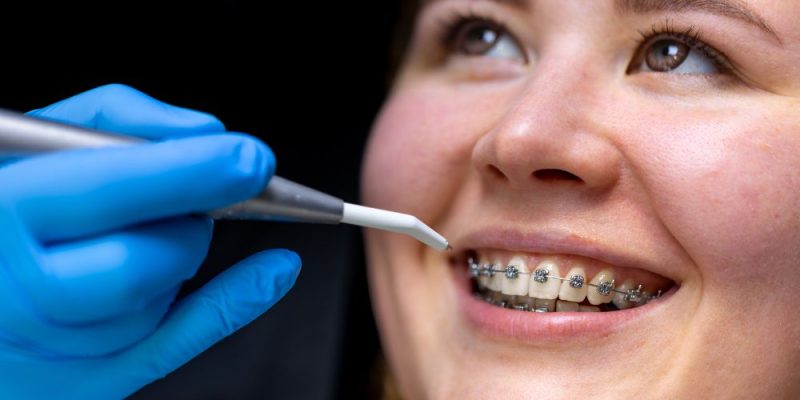
You might be looking at crooked teeth, a bite that never felt quite right, or a child whose dentist mentioned braces, and wondering whether orthodontic care is really about appearance or something deeper. That uncertainty is common. When your mouth feels off, even in small ways, it can affect how you eat, clean your teeth, speak, and feel about your smile. The short answer is that the role of a Chicago orthodontist in long term oral health goes far beyond straightening teeth. Good alignment can support cleaner teeth, healthier gums, a steadier bite, and fewer problems that build over time.
That matters because oral health problems rarely stay neatly contained. A tooth that is hard to brush can collect plaque. A bite that puts too much force on one area can wear enamel down. Crowding can make flossing frustrating, and frustration often turns into avoidance. So, where does that leave you? It leaves you with a useful question, which is not just whether teeth look straight, but whether your mouth is set up to stay healthy for years.
Why does an orthodontist matter when long term dental health is the real goal?
An orthodontist focuses on how teeth and jaws fit together. That may sound simple, yet it has wide effects. When teeth are crowded, rotated, or spaced in ways that trap food and plaque, daily cleaning becomes harder than it should be. According to the National Institute of Dental and Craniofacial Research, steady brushing and flossing are the foundation of oral health, and proper oral hygiene habits help lower the risk of decay and gum disease. If alignment makes those habits harder, the problem is not only cosmetic.
This is where an orthodontist can change the path. By improving alignment and bite function, treatment can reduce areas where plaque hides, ease strain on certain teeth, and support better chewing. In many cases, patients also find it easier to keep up with home care once teeth are easier to reach. That is one reason orthodontic care for oral health is often part of prevention, not just correction.
You may also be dealing with bite issues that do not announce themselves clearly. Maybe you clench your jaw, chip the same tooth again, or notice uneven wear. Maybe your child breathes through the mouth at night and has a narrow arch. These are the kinds of details an orthodontist looks at because the position of teeth and jaws can shape comfort and function in ways you feel every day, even if you have never had a name for them.
What can happen if bite and alignment problems are ignored?
Not every crooked tooth leads to major trouble, and that is worth saying plainly. Still, some issues grow slowly and quietly. Crowding can raise the chance of plaque buildup. A deep overbite can wear front teeth. Crossbites can shift how the jaw moves. Gaps may bother one person very little, while another person struggles with food trapping and gum irritation. The point is not fear. The point is that alignment affects more than photos.
If you have ever thought, “I can live with it,” you are not alone. Many people do, especially when treatment feels expensive or time consuming. But waiting can sometimes mean more wear, more restorations, and more complicated treatment later. A basic overview from MedlinePlus on orthodontia explains that orthodontic treatment is used to correct irregularities of the teeth and jaws, which can improve both appearance and function. Function is the part people often overlook until discomfort or damage becomes harder to ignore.
Research has also pointed to the connection between alignment and periodontal health. One older indexed paper, available on PubMed, discussed how correcting malocclusion may support periodontal conditions in certain cases. That does not mean braces cure gum disease. It means tooth position can affect how cleanable and stable the mouth is, which matters over the long run.
How does professional orthodontic treatment compare with simply watching the problem?
Because this decision often comes down to tradeoffs, it helps to see the differences side by side.
| Approach | Short Term Experience | Possible Long Term Effect |
|---|---|---|
| Professional orthodontist evaluation and treatment | Time, cost, adjustments, and a period of adaptation | Better alignment, easier cleaning, improved bite balance, less risk of wear in some cases |
| Monitoring without treatment | No immediate cost or lifestyle change | May be fine for mild issues, but some cases can lead to crowding related plaque buildup, uneven wear, or bite strain |
| Cosmetic focus only without bite assessment | Can seem faster if appearance is the only concern | May miss jaw fit, chewing function, and areas that affect long term dental health |
This is why long term dental health and orthodontics belong in the same conversation. Straight teeth are often easier to care for, but the real value is that treatment can support a mouth that functions with less strain and fewer hidden trouble spots.
What are the best next steps if you want to protect your oral health?
1. Get a full bite and alignment evaluation.
Do not assume the issue is only cosmetic or only minor. Ask for an assessment of crowding, spacing, jaw fit, wear patterns, and cleaning challenges. A proper orthodontist review can show whether the concern is harmless, manageable, or worth treating now.
2. Pay attention to the daily friction points.
Notice where floss shreds, where food gets stuck, whether you avoid chewing on one side, or whether your teeth feel hard to clean. These small annoyances often reveal where alignment is affecting health. Bring those details to your appointment. They help connect the dots between appearance and function.
3. Protect the result with consistent home care.
Even the best treatment plan needs follow through. Brush carefully, floss every day, and keep regular dental visits. If you do begin treatment, ask how to clean around brackets or aligners and what retainer use will look like afterward. Orthodontic care is not a one time fix. It is part of a larger plan to keep your mouth stable.
So what is the real role of an orthodontist in oral health over time?
It is to help create a healthier setup, not just a straighter smile. When teeth and jaws align more naturally, you often get a mouth that is easier to clean, more comfortable to use, and less likely to collect the kind of wear and irritation that builds slowly over the years. That is the quieter value of an orthodontist. The work supports how your mouth lives, not just how it looks.
If you have been putting this question off, that is understandable. Dental decisions can feel personal, expensive, and easy to postpone. Still, clarity usually brings relief. A thoughtful evaluation can tell you whether treatment would protect your long term oral health, or whether simple monitoring is enough. Either way, you deserve to know where you stand and what your options really are.










Comments