
 By
By 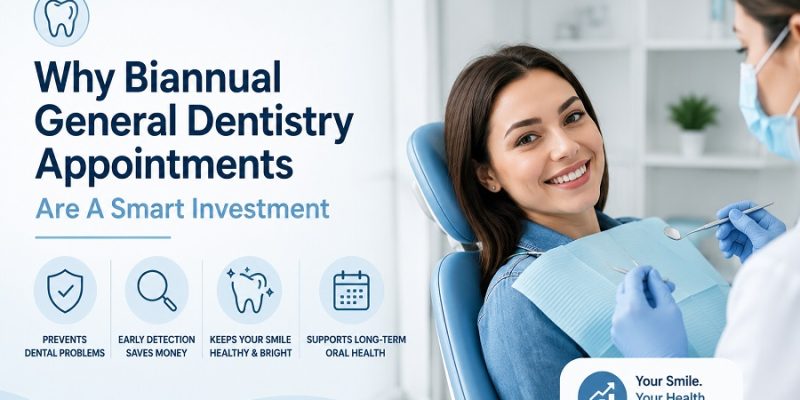
You might be feeling a little caught in the middle right now. On one hand, you know your teeth matter, and you do your best with brushing and maybe flossing when you remember. On the other hand, life is busy, money is tight, and those twice-a-year checkups at a trusted family dental practice in Phoenix keep sliding down the to-do list. It starts with one missed visit, then another, and before you know it you are wondering if those biannual appointments really matter or if they are just “nice to have.”
That tension is very common. You are not careless. You are weighing time off work, childcare, and the cost of seeing a general and family dentist against the hope that “everything is probably fine.” Because of this, you might wonder whether regular dental visits are truly an investment, or just another bill.
The short answer is that those two visits a year often decide whether you pay a little now or a lot later. They influence whether your child grows up relaxed in the dental chair or terrified of it. They can even affect your overall health, not just your smile. Think of biannual dental checkups as small, predictable tune-ups that help you avoid expensive breakdowns.
Why do small dental issues turn into big, expensive problems?
Here is the hard part. Dental problems rarely scream for attention at the beginning. Cavities usually start silently. Gum disease can develop with only mild bleeding when you brush. You can feel “fine” for a long time, even while damage is building under the surface.
So the problem is not just tooth decay or gum disease. The problem is that early stages are quiet and easy to ignore. That quiet period is exactly when a general dentist can treat things quickly and cheaply. Once pain shows up, the treatment is usually more complex and far more expensive. A small cavity might need a simple filling. Wait long enough, and you might be looking at a root canal, a crown, or even an extraction.
This is where the stress begins to grow. Imagine this. You skip your checkups for a couple of years. One day you wake up with a throbbing tooth. Now you are not just dealing with fear of the dentist. You are juggling emergency scheduling, missed work, and a bill that feels unfair because you never felt anything until it was urgent. That is the emotional and financial weight of postponing care.
There is also the bigger health picture. Research shows that untreated oral disease is common. According to a data brief from the CDC, many adults have untreated cavities, and low-income adults are hit hardest. Oral health is tightly linked with overall health, and problems in the mouth can make life with conditions like diabetes or heart disease even more complicated.
So where does that leave you? It means those twice-yearly visits are less about “perfect teeth” and more about protecting your time, your budget, and your peace of mind.
What do you really get from a biannual general dentistry visit?
It helps to be clear about what you are paying for. A routine appointment usually includes a professional cleaning, a checkup by the dentist, and periodic X-rays. It may not feel glamorous, but it covers a lot of ground.
Professional cleanings reach the areas your toothbrush and floss rarely manage to clean well. Even if you follow the American Dental Association’s home oral care guidance, plaque and tartar still build up in stubborn spots. Removing them lowers your risk of cavities and gum disease and helps keep your breath fresh.
The exam is where early detection happens. The dentist checks your teeth, gums, and bite. They look for small cracks, early cavities, signs of grinding, or changes in your soft tissues. Many also screen for oral cancer. Most of what they find at a routine visit can be handled simply. That is where the real savings come from.
If you have children, there is more at stake than just clean teeth. Regular visits help your child learn that the dental office is a safe, predictable place. They build trust, and they catch developmental issues early, such as crowding or enamel defects. Federal child health data show that preventive visits are a core part of recommended care for kids. You can see this in resources like the America’s Children report on health care, which tracks how often children receive routine health services, including dental care.
So while it might look like “just a cleaning,” you are actually buying early detection, prevention, and long-term comfort for you and your family.
How do the costs and risks compare over time?
You might still be thinking, “Yes, but is it really cheaper in the long run?” A fair question. No one wants to spend money they do not have to. It can help to compare what usually happens when you keep up with twice yearly dental checkups versus when you wait for pain.
| Approach | Short term experience | Typical costs over time | Common outcomes |
| Biannual general dentistry visits | Small, planned visits a couple of times a year. Mild, brief discomfort at most. | Predictable costs for cleanings, exams, and occasional small fillings. | Fewer emergencies, earlier treatment, more natural teeth kept into older age. |
| “Wait until it hurts” approach | No visits for years, then sudden pain or swelling that demands urgent care. | Lower costs at first, then large unexpected bills for root canals, crowns, or extractions. | Higher risk of tooth loss, infections, missed work, and anxiety around the dentist. |
Of course, every person is different, and not every cavity becomes an emergency. Still, patterns are clear. Preventive care spreads costs out and keeps them smaller. Crisis care bunches them together and makes them larger. When you view those two yearly visits as part of your household budget, they start to look less like a burden and more like insurance for your mouth.
What can you do right now to protect your smile and your budget?
Knowing that regular checkups matter is helpful, but it does not magically clear your schedule or refill your bank account. You still need practical steps.
- Put your general dentist on a fixed schedule, just like other essentials
Think of your general dentistry care the way you think about oil changes or annual physicals. Choose two months each year that tend to be calmer for you. Maybe early spring and early fall. Call your dentist and book both visits, then add them to your calendar with reminders a few weeks ahead. When they are treated as standing appointments, they stop competing with last-minute plans and feel more like a normal part of life.
If you do not currently have a dentist, start by asking trusted people in your life who they see and whether they feel listened to and respected. Comfort and communication matter as much as clinical skill, especially if you already feel anxious about dental care.
- Use home care to stretch the value of every visit
What you do at home can turn those twice-yearly visits into powerful protection. Follow three basics. Brush twice a day with fluoride toothpaste. Floss once a day, even if you start with just a few teeth and build the habit. Limit frequent snacking on sugary or starchy foods. These small routines support the work your dentist does and reduce the chance that problems will build up between appointments.
If you struggle with flossing or brushing thoroughly, be honest with your dental team. They can show you simple techniques or tools like floss holders or electric toothbrushes that can make things easier, not more complicated.
- Talk openly about costs and options before you feel desperate
Money worries are one of the biggest reasons people put off care. Instead of waiting until you are in pain and feel cornered, bring up your budget early. Ask your dental office to explain what your insurance covers, whether they offer payment plans, and which treatments are most urgent versus which can safely wait. Many offices are willing to phase treatment or suggest options that protect your health while respecting your finances.
If you do not have insurance, ask about preventive care packages or membership plans. Some practices offer reduced fees for routine checkups and cleanings when you enroll in their in-house programs. The goal is not perfection. It is steady, realistic care that you can sustain year after year.
Choosing peace of mind through steady, simple care
You have enough on your plate without adding avoidable dental emergencies. Biannual appointments with a general dentist are not about chasing a flawless smile. They are about keeping small issues small, protecting your budget from surprise hits, and giving you and your family a stable sense of control over your health.
You do not have to fix everything overnight. Start with one decision. Commit to scheduling your next routine visit, even if it has been years. From there, each checkup becomes another quiet step toward a future with fewer dental surprises and more confidence when you smile, talk, or eat.






Comments